Lot Leveling in Houston, TX
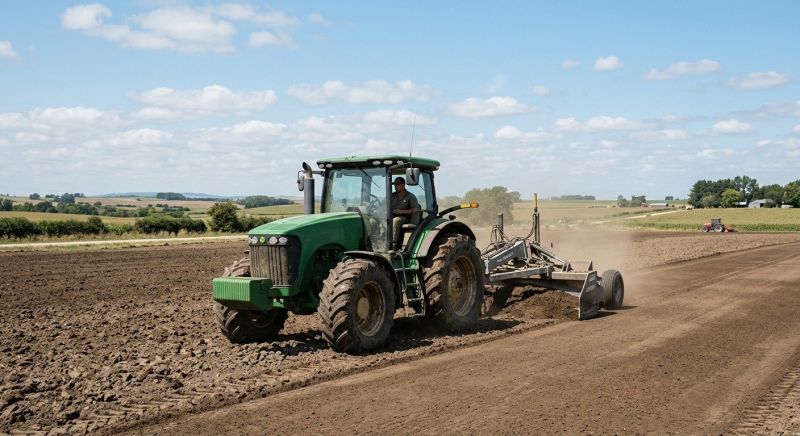
Lot leveling services involve adjusting the elevation of a property’s land to create a stable, even surface. This process is commonly used for residential properties, commercial sites, and land development projects to correct uneven terrain, settle slopes, or prepare a lot for construction or landscaping. Property owners often request lot leveling to improve drainage, prevent flooding, or ensure a level foundation for building projects. Understanding the current topography, the extent of unevenness, and the desired final grade are important considerations before requesting this service.
Before requesting lot leveling, property owners should evaluate the specific issues affecting their land, such as erosion, settling, or slope problems. It’s helpful to consider the overall goals for the property, whether for construction, landscaping, or drainage improvements. Clear communication about the existing terrain and the intended outcomes can assist in determining the appropriate approach and scope of work needed to achieve a stable, properly graded lot.
Many property owners in Houston, TX look into Lot Leveling for repairs, replacements, upgrades, and appearance-related improvements.
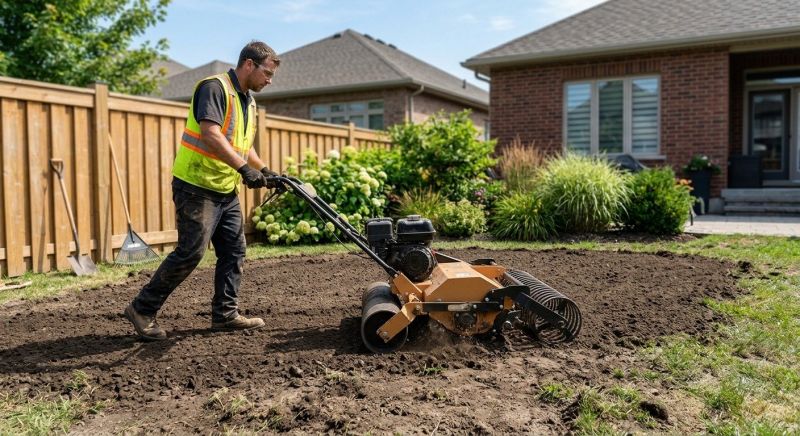
Residential Lot Leveling
Ensures your yard is even and stable for landscaping or construction projects.
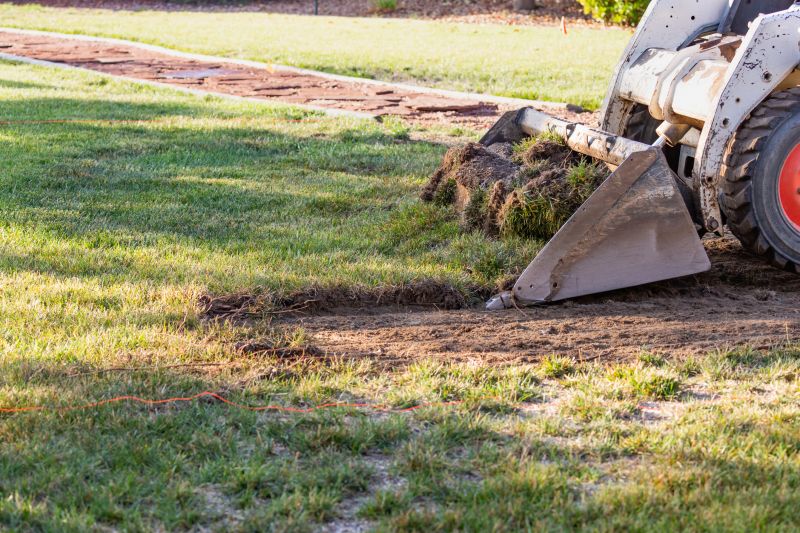
Commercial Property Preparation
Prepares large lots for building foundations, parking lots, or other developments.
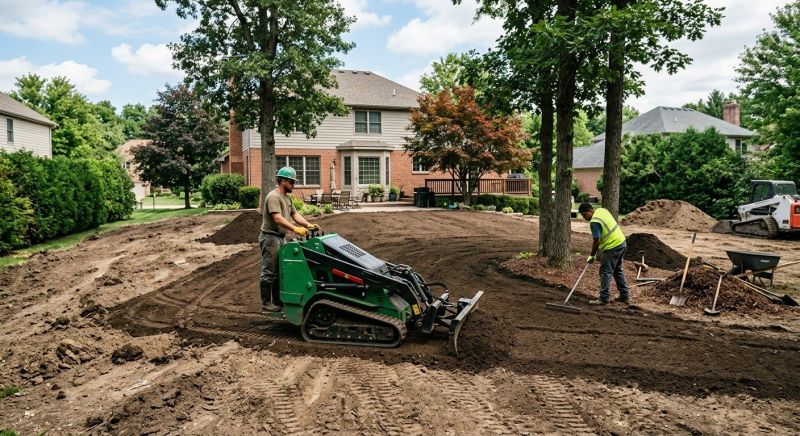
Uneven Ground Correction
Addresses slopes, dips, and uneven surfaces to create a safe and functional outdoor space.
Lot Leveling in Houston, TX
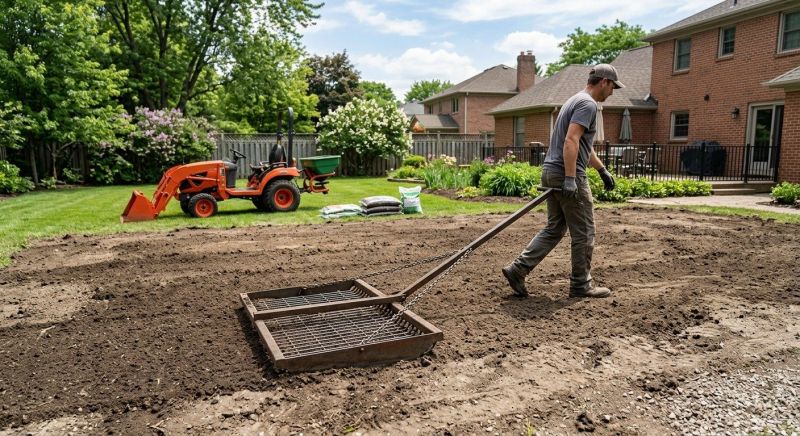
Lot leveling services involve adjusting the elevation of a property’s land to create a stable, even surface. This process is commonly used for residential properties, commercial sites, and land development projects to correct uneven terrain, settle slopes, or prepare a lot for construction or landscaping. Property owners often request lot leveling to improve drainage, prevent flooding, or ensure a level foundation for building projects. Understanding the current topography, the extent of unevenness, and the desired final grade are important considerations before requesting this service.
Before requesting lot leveling, property owners should evaluate the specific issues affecting their land, such as erosion, settling, or slope problems. It’s helpful to consider the overall goals for the property, whether for construction, landscaping, or drainage improvements. Clear communication about the existing terrain and the intended outcomes can assist in determining the appropriate approach and scope of work needed to achieve a stable, properly graded lot.
Many property owners in Houston, TX look into Lot Leveling for repairs, replacements, upgrades, and appearance-related improvements.
Common Lot Leveling Jobs
Lot Leveling Services - Ensures the property surface is even for safety and stability.
Driveway Leveling - Corrects uneven driveways to improve accessibility and curb appeal.
Foundation Adjustment - Addresses minor foundation shifts to prevent further structural issues.
Yard and Land Grading - Creates proper drainage and prevents water pooling around the property.
Slab Leveling - Restores a level surface for patios, walkways, and concrete slabs.
Uneven Ground Correction - Fixes sloped or uneven terrain to support landscaping or construction.

Lot Leveling Questions
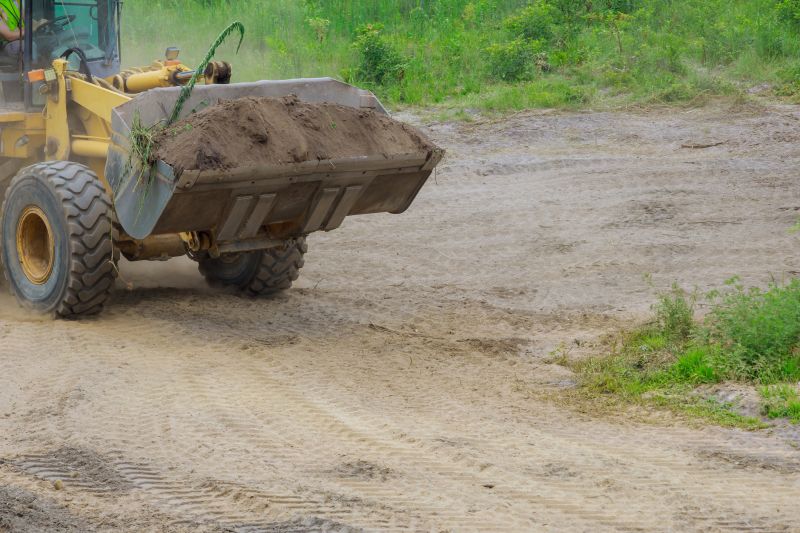
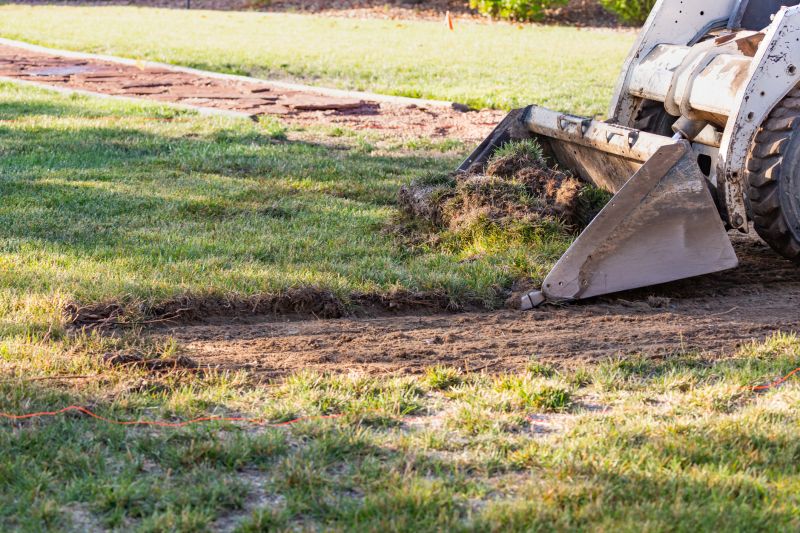
What is lot leveling? Lot leveling involves adjusting the terrain to create a flat and stable surface for construction or landscaping projects.
Why is lot leveling important? Proper lot leveling prevents future drainage issues, foundation problems, and uneven settling of structures.
What types of properties benefit from lot leveling? Residential yards, commercial sites, and vacant land often require lot leveling to ensure stability and proper drainage.
What should property owners consider before lot leveling? It's important to assess soil conditions, drainage patterns, and the extent of grading needed for a safe and effective project.
Request Lot Leveling in Houston, TX
Use the quote form on this page to share the basics of your project and request more information for the type of work you need.